
Understanding the psychological effects of gambling What drives the addiction
The Allure of Gambling
The thrill of gambling draws countless individuals into its grasp, often enticing them with the promise of easy money and excitement. This allure is rooted in psychological mechanisms that amplify feelings of pleasure and reward. The brain releases dopamine, a neurotransmitter associated with pleasure, during gambling activities, creating a euphoric experience that can be intoxicating. This pleasurable rush makes individuals more likely to return, hoping to replicate that initial high. Many find themselves exploring non-gamstop casinos to experience this rush more frequently.
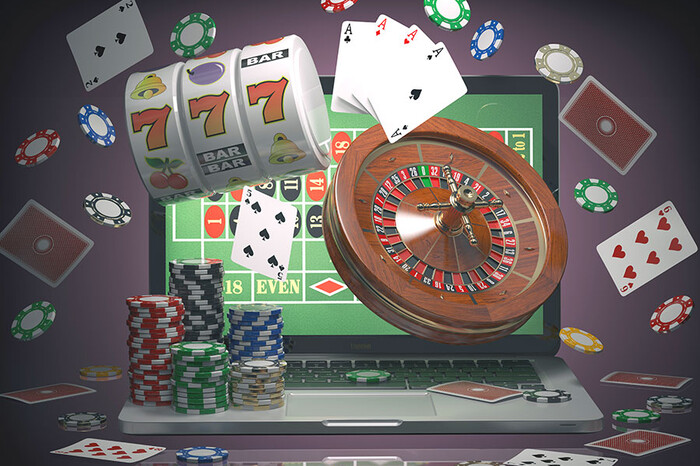
The unpredictable nature of gambling results in a continuous cycle of highs and lows. This unpredictability can create a powerful compulsion to gamble, as individuals may believe that they can alter the odds in their favor or chase their losses. Understanding this psychological draw is crucial in addressing why many fall victim to gambling addiction.
Several psychological factors contribute to gambling addiction, including emotional distress, social pressures, and cognitive distortions. Many individuals use gambling as a coping mechanism to escape from their problems or to deal with stress. In these cases, the act of gambling provides temporary relief from negative emotions, reinforcing the behavior.
Cognitive distortions, such as the illusion of control and gambler’s fallacy, also play a significant role. Individuals may overestimate their ability to influence outcomes or mistakenly believe that they are due for a win after a series of losses. These misconceptions further entrench their gambling behavior, making it difficult to break free from the cycle of addiction.
The environment in which individuals engage in gambling can significantly affect their behaviors and attitudes. Social acceptance of gambling, particularly in certain circles, can normalize and even glamorize the activity. This social reinforcement can make it more challenging for individuals to recognize the negative consequences of their behavior.
Additionally, proximity to gambling venues can increase the likelihood of developing an addiction. The accessibility of casinos, online gambling platforms, and sports betting makes it easier for individuals to gamble impulsively. Understanding these environmental and social factors is essential for both prevention and intervention efforts aimed at reducing gambling addiction.
Recovering from gambling addiction requires a comprehensive approach that combines psychological support, behavioral changes, and sometimes medical intervention. Therapy options, including cognitive-behavioral therapy, help individuals recognize and alter their harmful thought patterns regarding gambling. Support groups also play a vital role, offering a community of understanding and shared experiences.
Family support is equally crucial in the recovery process. Open communication and a non-judgmental approach can help individuals feel understood and less isolated in their struggles. By fostering a strong support system, those affected can find the strength to overcome their addiction and rebuild their lives.

This website is dedicated to providing valuable insights into understanding the psychological effects of gambling. By raising awareness and sharing knowledge, we aim to empower individuals and families affected by gambling addiction. Our focus is on creating a safe and supportive environment for those seeking information and assistance.
Through our resources, we hope to foster a community where individuals can find guidance, share their experiences, and ultimately pursue healthier lifestyles free from the grips of gambling addiction. Our commitment to maintaining high security standards ensures that users can explore our content safely and confidently.