
The Thrill of Uncertainty
The allure of casino games often lies in the unpredictability they offer. When players step into a casino, they are not merely seeking monetary gain; they are also chasing the adrenaline rush that comes from uncertainty. This anticipation creates a psychological high. Every spin of the roulette wheel or roll of the dice carries a possibility of success, igniting excitement that few other activities provide. For instance, participating in an online casino can be thrilling, offering the best casino not on gamstop options for players seeking variety and excitement.

This thrill activates the brain’s reward system, releasing dopamine, a neurotransmitter associated with pleasure and motivation. Consequently, players may find themselves returning for the exhilarating experience, even when they face losses. The unpredictable nature of gambling taps into a primal instinct: the desire for risk and reward, making it a compelling activity for many.
The Role of Cognitive Biases
Cognitive biases play a significant role in gambling behavior. Many players fall prey to the “gambler’s fallacy,” where they believe that past outcomes influence future results. For example, if a player observes a particular number not appearing on a roulette wheel, they may irrationally assume it is “due” to appear soon. Such biases can lead to overconfidence and increased betting, ultimately contributing to excessive gambling behavior.
Furthermore, the illusion of control is a powerful psychological factor in casino gaming. Players often think they can influence outcomes through their decisions, such as the timing of a bet or choosing specific games. This belief fuels their desire to gamble, as they feel empowered by their choices, even in a fundamentally chance-based environment.
The Social Aspect of Gambling
Casino games are not just solitary activities; they are profoundly social experiences. The presence of other players can enhance the enjoyment of the game, fostering a sense of community and camaraderie. Many people gamble in groups or attend casinos for the social interactions that come with the experience, drawing them into the atmosphere of excitement and shared anticipation.
This social dimension can create a feedback loop where the collective energy of fellow players amplifies individual excitement. Engaging in games with friends or family can transform gambling into a social occasion, making it a more compelling pursuit beyond the mere possibility of winning money. This aspect is a significant draw for those who might otherwise not participate in gambling.
The Escapism Factor
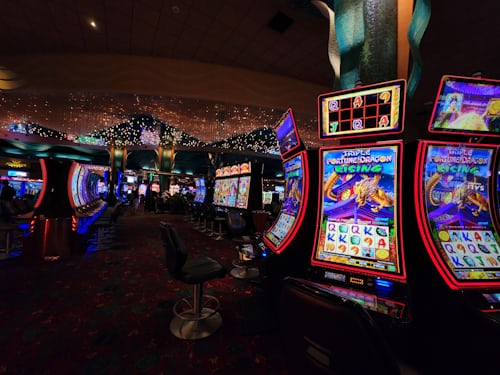
For many individuals, the casino serves as an escape from daily life. The immersive experience of casino games allows players to momentarily forget their troubles and responsibilities. The vibrant lights, sounds, and atmosphere distract from life’s stresses, creating a sanctuary where players can lose themselves in the thrill of the game.
This form of escapism can be particularly appealing in times of personal turmoil or stress. Individuals might turn to casinos as a coping mechanism, seeking solace in the excitement and sensory overload. However, while this escape can provide temporary relief, it also poses risks, potentially leading to problematic gambling behaviors as players seek to prolong their distraction.
Understanding Gambling Through Responsible Awareness
As important as it is to understand the psychological factors that drive gambling, it is equally crucial to foster responsible gaming habits. Awareness of one’s motivations, emotions, and the risks associated with gambling can empower individuals to make informed choices. Engaging with resources that promote responsible gambling can significantly enhance the gaming experience while minimizing the risk of developing harmful habits.
Educational websites and organizations aim to provide valuable guidance on safe gambling practices. They emphasize the importance of setting limits, recognizing signs of gambling addiction, and understanding the psychological influences involved in the gaming experience. By fostering awareness and encouraging responsible behaviors, individuals can enjoy the thrill of casino games while mitigating risks associated with gambling.